


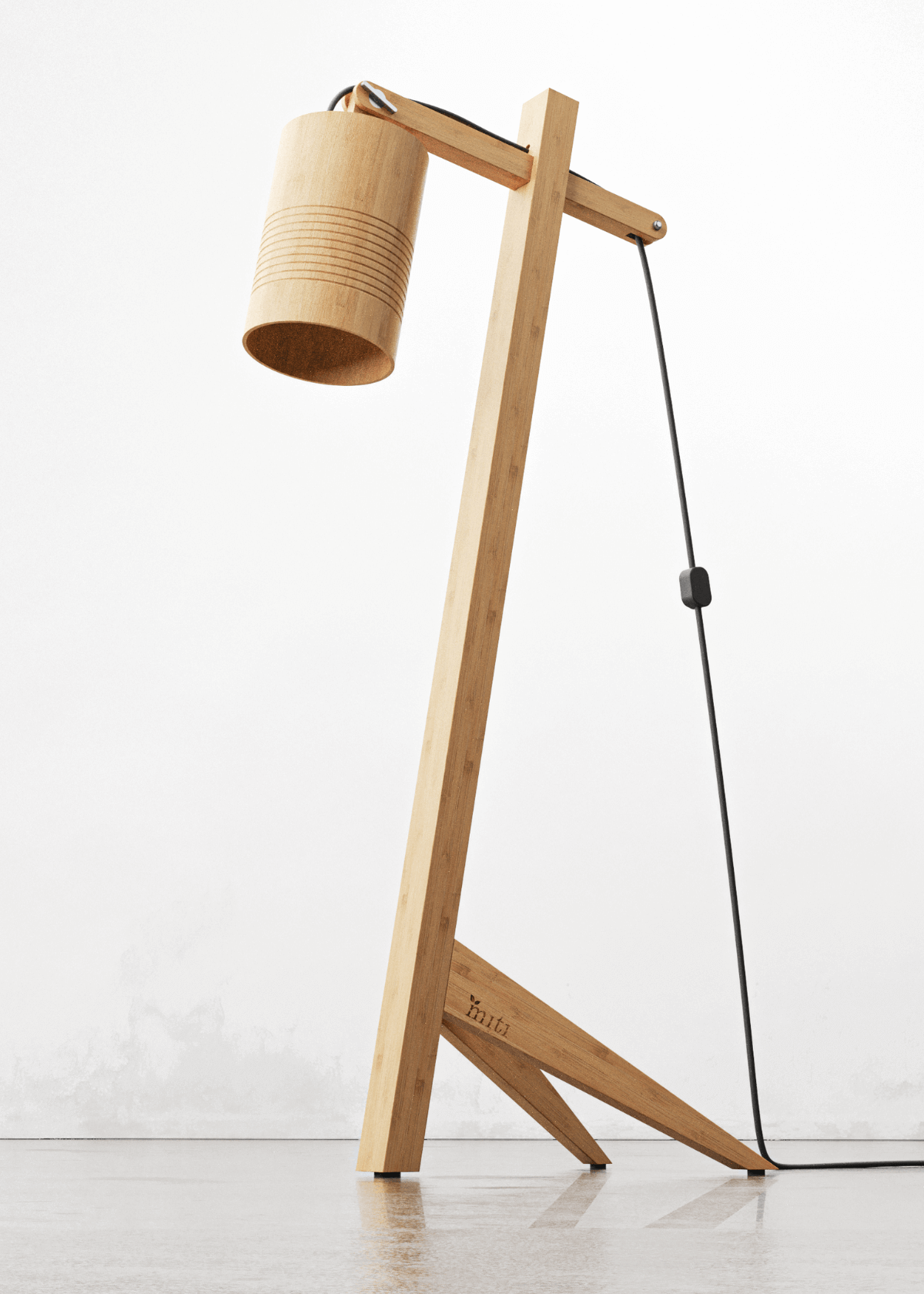


Bamboo homeware covers many different product types, so a useful buying guide should look beyond the material label. Compare function, complete construction, dimensions, care requirements and the evidence behind environmental or performance claims.
1. Start with function
Buy for a real household need rather than replacing useful products simply because a new item is marketed as sustainable. For kitchen preparation, compare the MITI bamboo chopping-board range by shape, space and intended use.
2. Check every material
A finished bamboo product can include adhesives, coatings, metal, silicone or other components. Those materials affect care, durability and realistic end-of-life options. A bamboo component does not make the entire item biodegradable or automatically lower-impact.
3. Measure your space
Check worktop, cupboard and storage dimensions before ordering. A product that fits your routine and available space is more likely to stay in regular use.
4. Understand the care routine
Many bamboo components benefit from hand washing, limited water exposure and prompt drying. Always follow the current product instructions and do not assume bamboo is self-sanitising.
5. Compare reusable products by use case
For hydration, compare capacity, cap style, full construction and cleaning guidance rather than exterior appearance alone. Browse the MITI reusable bottle collection.
6. Question broad claims
Terms such as biodegradable, carbon-neutral, non-toxic or antibacterial need product-specific evidence. Choose transparent specifications over vague environmental promises.
Explore practical home and kitchen options: browse MITI bamboo homeware.
For new designs, care guidance and home inspiration, follow MITI on Instagram.

