


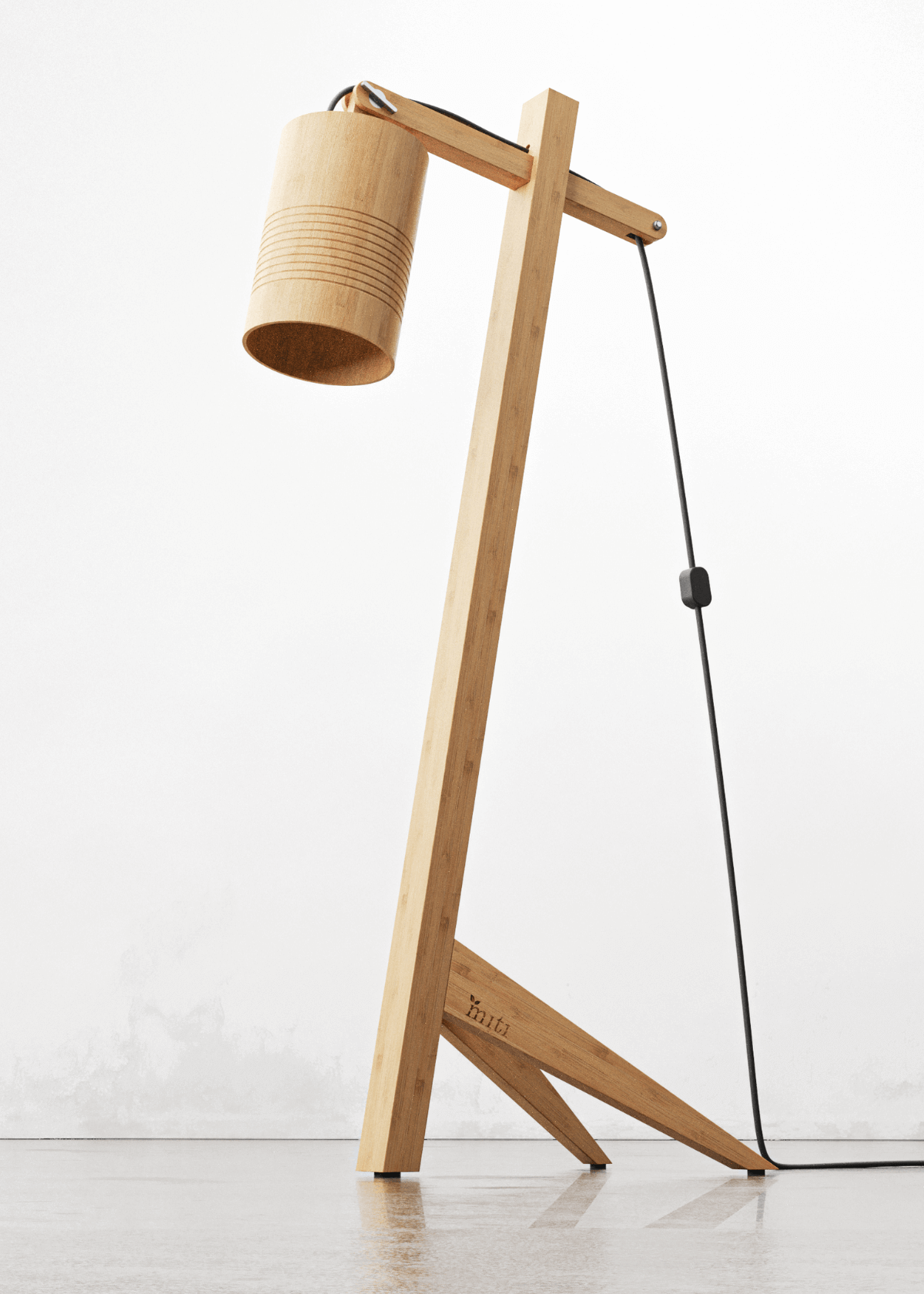


Bamboo is a renewable plant resource because it is a grass and many species regrow from established underground rhizomes after harvesting. That does not mean every finished bamboo product automatically has a low environmental impact.
Why is bamboo considered renewable?
Many bamboo species can grow and mature relatively quickly compared with many timber trees, although rates vary by species, climate and management. Responsible sourcing and land management still matter.
Renewable is not the same as impact-free
A finished product may also contain adhesives, coatings, metals, silicone, plastics or other materials. Manufacturing, transport, useful life and end-of-life options should be considered alongside the bamboo component.
What does this mean for kitchenware?
For preparation products, compare the full construction, size and care instructions. Explore MITI bamboo chopping boards by shape and intended use.
What about reusable bottles?
A bamboo-finish bottle can contain a liner, seals and cap components made from other materials. Compare the current MITI reusable bottle range by capacity and cap style.
Questions before buying
- What is the complete material specification?
- How should the product be cleaned and maintained?
- Will it be used frequently?
- Are sourcing and environmental claims specific and evidenced?
- What end-of-life options exist for all components?
See how bamboo is used in current homeware: browse MITI bamboo products.
For material explainers, product updates and new designs, follow MITI on Instagram.

